
How Cold Weather Affects Your Vehicle’s Performance (and What You Can Do About It)
- info9301546
- Nov 28, 2025
- 3 min read

Canadian winters bring beauty, but they also bring some of the harshest driving conditions in the world. Snow-packed roads, freezing temperatures, and icy commutes all take a toll—not only on drivers but on their vehicles as well. While many people prepare their homes for winter, fewer realize that their vehicles also need seasonal care to face the cold safely and reliably.
Cold weather affects everything from your engine oil to your battery, and the impact becomes even more noticeable as temperatures drop below freezing. Understanding how winter conditions influence your vehicle’s components—and what you can do to reduce the wear—can be the difference between a smooth winter season and unexpected breakdowns.
In this blog, we break down the most common ways cold weather impacts your vehicle’s performance, along with practical steps you can take to protect your car all winter long.
Cold Weather Thickens Your Engine Oil
Engine oil is essential for lubrication, heat regulation, and overall engine protection. As temperatures fall, oil becomes thicker and flows more slowly. Thickened oil takes longer to circulate, meaning your engine experiences more friction during cold starts.
How it affects performance:
Harder, slower starts
Increased engine wear
Reduced fuel efficiency
What you can do:
Switch to a winter-grade or manufacturer-approved synthetic oil
Keep up with regular oil change intervals
Let your engine run for 30–60 seconds before driving
This simple step reduces friction and helps ensure proper lubrication even in below-freezing weather.
Batteries Lose Power in the Cold
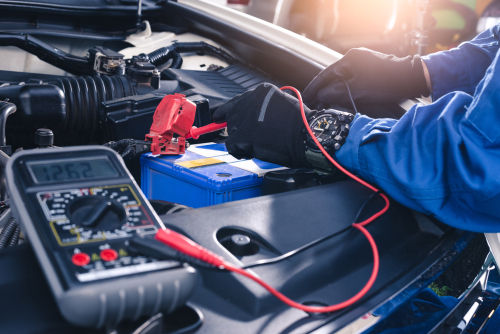
Your battery is one of the most sensitive components when temperatures drop. In freezing weather, a battery can lose up to 30–50% of its cranking power. Combine that with the increased demand from heaters, defrosters, and lights—and you have a recipe for cold-start failure.
Signs your battery is struggling:
Slow engine cranking
Dim headlights
Electrical warnings on your dashboard
What you can do:
Have your battery tested before winter
Replace weak or aging batteries proactively
Ensure battery terminals are clean and corrosion-free
A quick battery health check can prevent the dreaded “no-start” situation on the coldest morning of the year.
Tire Pressure Drops Suddenly
For every 10°C drop in temperature, your tires lose roughly 1–2 PSI. Cold, underinflated tires lead to poor traction, uneven wear, reduced fuel economy, and unsafe braking—dangerous on icy or snow-covered roads.
What you can do:
Check tire pressure every two weeks in winter
Switch to winter tires for superior grip and cold-weather performance
Ensure your tires meet required tread depth for snowy conditions
Maintaining proper tire pressure is one of the easiest and most impactful safety habits during winter.
Rubber Components Become Stiff
Cold weather stiffens rubber, making it brittle and less flexible. This affects parts like belts, hoses, windshield wipers, and seals.
What this leads to:
Cracking or snapping belts
Coolant leaks from hardened hoses
Poor windshield visibility with stiff wiper blades
What you can do:
Replace old or worn belts and hoses before winter
Upgrade to winter-specific wiper blades
Check washer fluid levels and use winter-rated formulas
These small components play a huge role in preventing winter breakdowns.
Fluids Move More Slowly in the Cold
Brake fluid, transmission fluid, power steering fluid, and coolant all react to temperature changes. In winter, many fluids thicken or move more slowly, which reduces performance and may even cause system strain.
What you can do:
Stay on top of recommended fluid changes
Use manufacturer-approved winter-safe formulas
Have your vehicle inspected for leaks or aging components
Proper fluid care can significantly improve your car’s response in freezing temperatures.
Fuel Efficiency Drops
Drivers often notice lower mileage during winter. This is normal and caused by a combination of factors: thicker fluids, longer warm-up times, low tire pressure, and increased use of heaters and electrical accessories.
How to improve it:
Keep your tires inflated properly
Perform regular tune-ups and inspections
Avoid excessive idling
Remove unnecessary weight from your vehicle
A well-maintained car uses less fuel—especially when winter demands more from your engine.
Winter driving isn’t just tougher on you—it’s tougher on your vehicle too. Understanding how cold weather affects your car allows you to stay ahead of problems before they become expensive repairs. From oil changes and battery tests to tire checks and fluid maintenance, a little preparation goes a long way toward ensuring safe and smooth winter driving.
If you’re unsure where to start, RJ’s Auto Tech is here to help. Our winter maintenance services are designed to protect your vehicle, improve reliability, and keep you comfortable on every cold-weather drive. Book your appointment today and stay winter-ready with confidence.


Comments