
Why Tire Pressure Changes in Cooler Weather (And Why It Matters)
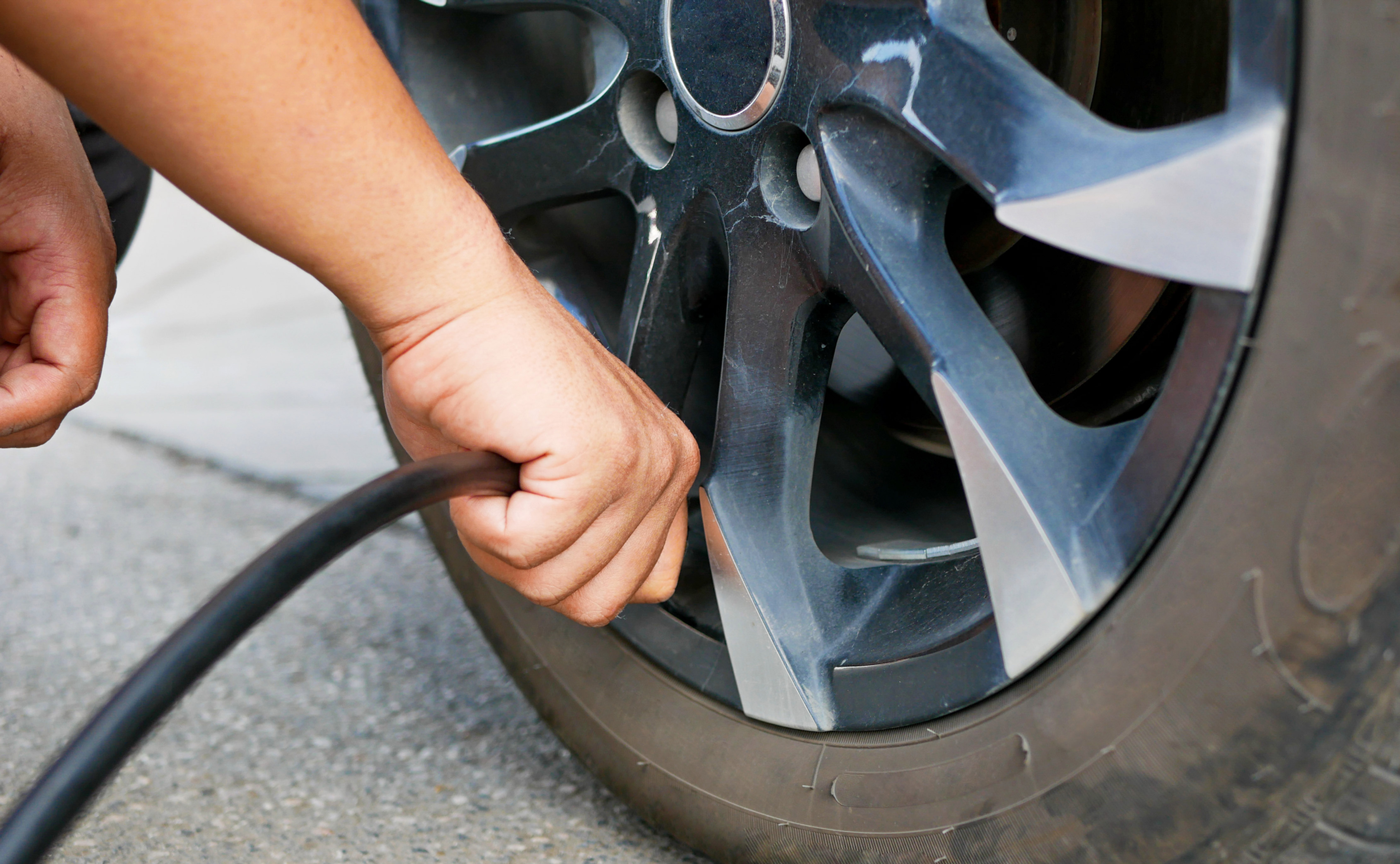
As the warm days of summer give way to crisp fall mornings in Ontario, many drivers notice a warning light suddenly appear on their dashboard—the Tire Pressure Monitoring System (TPMS). While it may seem like a mechanical issue, it's often nothing more than a drop in temperature affecting your tire pressure.
Understanding why tire pressure changes in cooler weather can help you improve safety, extend tire life, and even save money on fuel.
Why Does Tire Pressure Drop When It Gets Cold?
The air inside your tires behaves just like any other gas—it expands when heated and contracts when cooled.
As temperatures decrease, the air molecules inside your tires slow down and take up less space, causing the air pressure to drop.
A good rule of thumb is:
For every 5°C drop in temperature, tire pressure decreases by approximately 1 PSI.
In Ontario, it's common to see overnight temperatures fall by 10–20°C between late summer and early fall. That means your tires could lose 2–4 PSI without having a single puncture.
Why Proper Tire Pressure Is So Important
Many drivers don't realize that tires are designed to perform within a specific pressure range. Driving with underinflated tires can affect almost every aspect of your vehicle's performance.
Improved Safety
Underinflated tires create a larger contact patch with the road, generating more heat and increasing the risk of premature tire wear or even a blowout during long highway drives.
Properly inflated tires also improve:
Braking performance
Steering response
Vehicle stability
Cornering ability
Wet weather traction
Better Fuel Economy
Low tire pressure increases rolling resistance, meaning your engine has to work harder to move your vehicle.
Even being a few PSI below the recommended pressure can reduce fuel efficiency and cost you more at the pump over time.
Longer Tire Life
Uneven tire pressure causes uneven tire wear.
Underinflated tires tend to wear on the outer edges, while overinflated tires wear more in the center.
Maintaining proper pressure helps your tires wear evenly, allowing you to get the maximum lifespan from your investment.
Better Handling During Ontario's Fall Weather
September and October bring cooler mornings, rain, wet leaves, and changing road conditions.
Proper tire pressure helps your tires maintain their intended grip, giving you better control during emergency braking or slippery conditions.
Don't Rely on Looking at Your Tires
One of the biggest misconceptions is that you can tell if a tire is low simply by looking at it.
Modern radial tires can lose several PSI and still appear perfectly normal.
The only accurate way to check tire pressure is with a quality tire pressure gauge.
When Should You Check Tire Pressure?
Experts recommend checking your tire pressure:
At least once a month
Before long road trips
Whenever temperatures change significantly
Before the first frost
Before installing winter tires
Always check your tires when they are cold, meaning the vehicle has been parked for several hours or driven less than two kilometres.
Where Do I Find the Correct Tire Pressure?
The correct tire pressure is not listed on the tire itself.
Instead, look for the manufacturer's recommended pressure located:
Inside the driver's door jamb
In your owner's manual
This pressure is specifically engineered for your vehicle's weight and handling characteristics.
Is the TPMS Light Always a Problem?
Not necessarily.
During the first cool mornings of the season, many drivers notice the TPMS warning light comes on because the tire pressure has naturally dropped.
Adding the correct amount of air often resolves the issue.
However, if the light stays on after inflating your tires, or if one tire continues losing pressure, you may have:
A puncture
A leaking valve stem
A damaged wheel
A slow air leak requiring professional inspection
Prepare for Fall Before Winter Arrives
September is the perfect time to have your vehicle inspected before Ontario's colder weather arrives. Checking your tire pressure now helps improve safety, fuel economy, tire life, and overall vehicle performance before the winter driving season begins.
If you're unsure whether your tires are properly inflated or are preparing for winter tire installation, our team is happy to inspect your tires, adjust the pressure, and ensure your vehicle is ready for the changing seasons.
Book your fall vehicle inspection today and drive into autumn with confidence.


Comments